
Roof Repair
A ceiling stain is rarely right under the hole. Water gets in at a pipe boot or a lifted shingle, runs down the felt or along a rafter, and drips onto the drywall a few feet away. Most of roof repair is patient detective work, and that is where we spend our time before a single shingle comes off.
We repair leaks, replace blown-off and cracked shingles, reseal and rebuild flashing, swap out failed pipe boots, and tarp roofs that cannot wait. When a roof is past the point where patching makes sense, we will say so, but most of the calls we get in Florence end with a repair, not a new roof.
Signs it is time for a repair
Some signs are obvious: a drip in a closet, a bucket under the attic hatch, shingle tabs in the flower bed after a storm. Others are quieter. Look for brown rings or bubbling paint on ceilings, a musty smell in an upstairs room, granules piling up at the bottom of a downspout, or a dark patch on the decking when you shine a flashlight in the attic.
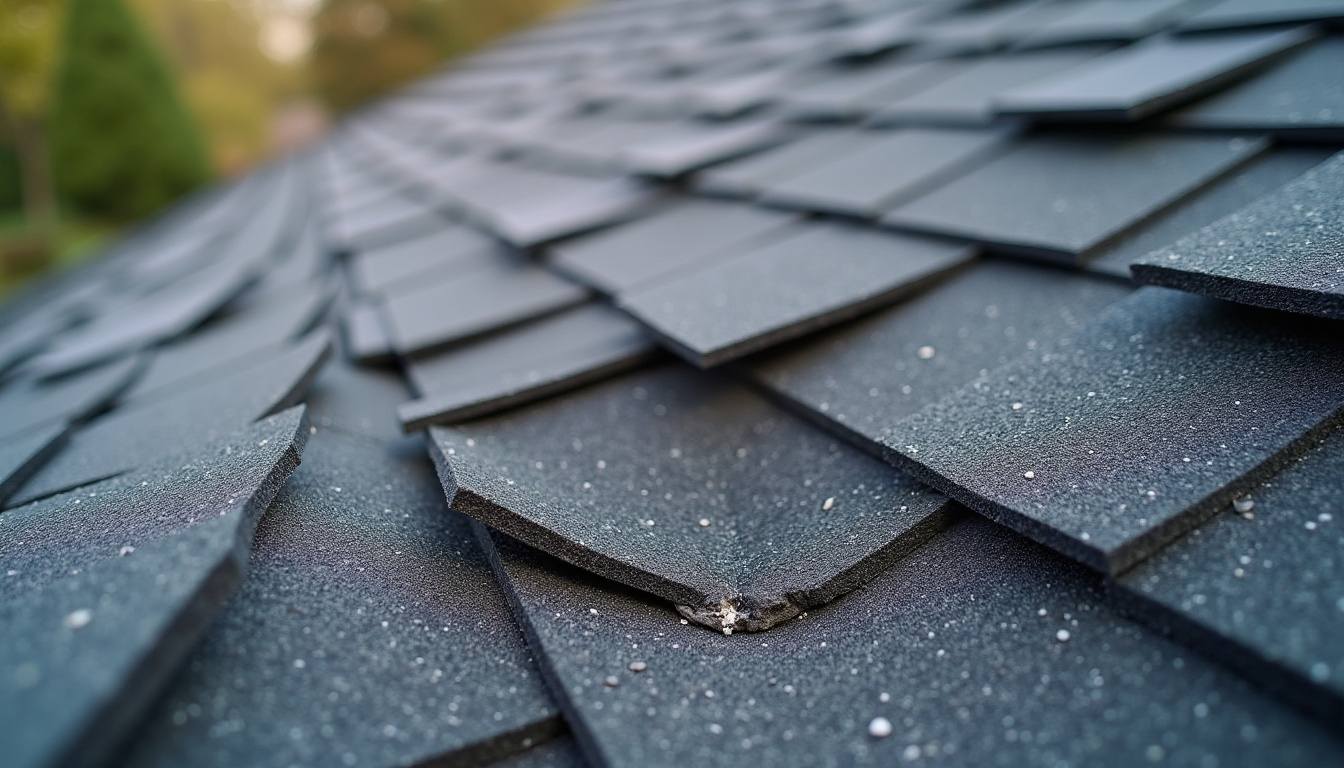
From the ground, check for shingles that look lighter than their neighbors (often a crease where wind lifted and folded them), a ridge cap that is missing a piece, or a sag along a roof line. With 45 inches or more of rain in a typical Florence year and damp summers on top of that, small openings do not stay small for long. A pinhole that leaks a little in March can be soft decking by September.
Where leaks actually come from
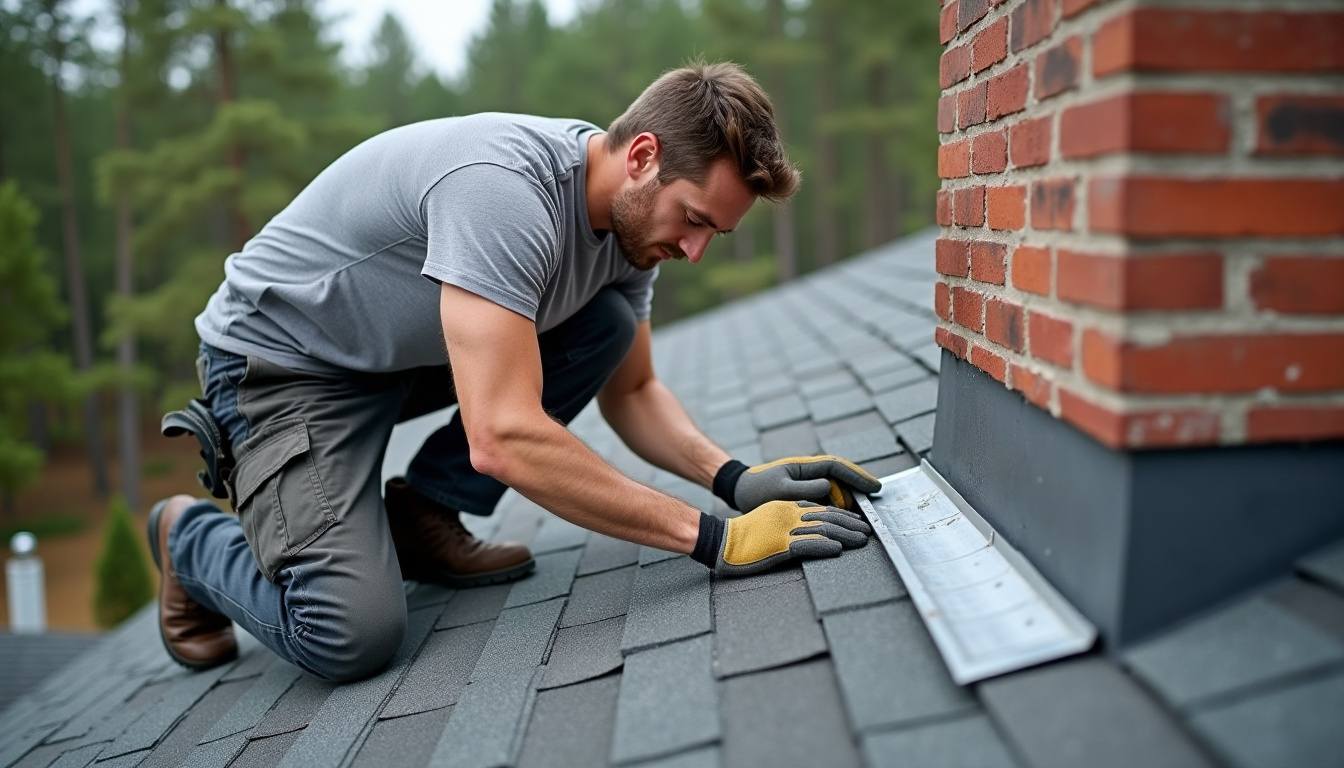
On the roofs we see around Florence, the same handful of spots account for most leaks. Pipe boots are near the top of the list: the rubber collar around a plumbing vent dries out and cracks in the sun, and water runs straight down the pipe. Chimney flashing is next, especially on older brick chimneys where the counter-flashing was face-nailed or caulked instead of cut into the mortar joints.
After that come step flashing where a roof meets a wall or a dormer, valleys clogged with pine straw so water backs up under the shingles, exposed nail heads that have rusted or backed out, and bath or kitchen vents that were never sealed properly. Skylights leak at the curb more often than at the glass. We check every one of those, because fixing the stain-side guess and missing the real source just means a second visit after the next storm.
Emergency tarping
When a limb comes through the roof or a storm strips a section of shingles, the first job is to stop more water getting in. We put down a heavy tarp that runs over the ridge where possible and is secured with battens so it holds through the next storm instead of flapping loose. That buys time to get materials, talk to your insurer and plan the permanent repair.
Tell us in the message box if water is coming in now and roughly where. A tarp is a temporary fix, and we will say how long it can reasonably stay on before the permanent repair has to happen. If the damage came from wind, hail or a falling tree, our page on what to do after a hurricane blows through covers the insurance side in more detail.
What a roof inspection covers
An inspection is the same look we take before any repair, written down. On the roof we check the shingles across every slope, the ridge and hip caps, valleys, flashing at walls and chimneys, pipe boots, vents and any skylights, plus the gutters and drip edge. Inside, we check the attic for daylight through the decking, water stains, damp insulation and how well the attic is venting heat.
You get photos of what we found and a plain description of what needs doing now, what can wait and what is fine. Homeowners ask for one before buying a house, after a big storm, or simply because the roof is getting older and they want to know where it stands. Quinby, just northeast of downtown, gets the same visit, and our Quinby page has more on the roofs out that way.
Repair or replace?
A common rule of thumb says that once roughly a quarter of a roof needs work, replacing it starts to make more sense than patching. That is a fair starting point, not a law. The real questions are how old the shingles are, whether the leaks are in one spot or scattered, whether the decking is still sound, and whether matching shingles are still available.
A ten-year-old roof with one bad pipe boot is a repair, every time. A roof that is curling and shedding granules on every slope, with leaks in three different places, is usually throwing good money after bad. When it reaches that point, we will walk you through when patching stops making sense and show you the photos that back it up.
What drives the cost of a repair
Repairs vary more than people expect. The pitch of the roof, how many layers are on it, how far the water has traveled into the decking, whether the flashing has to be rebuilt or just resealed, and whether we can match the existing shingles all change the job. A loose pipe boot on a low ranch roof is a very different visit from rebuilding chimney flashing on a steep two-story.
That is why we do not quote repairs over the phone. Every roof is priced after someone has been on it, with photos of what we found and the price in writing before any work starts. If the repair turns out bigger once the old shingles come up, we stop, show you, and agree on it before going further.
Get the leak looked at
Use the quote form and tell us what you are seeing in the message box: where the stain is, whether it drips only in heavy rain or every time, and anything that blew off recently. A name and phone number are all we need to call you back, and the address is optional until we schedule. We call you back to set up a visit, and the visit itself is free.