
Metal Roofing
Metal roofs have been on Pee Dee barns, tobacco sheds and farmhouses for generations, and more homeowners in and around Florence now want one on the house too. The appeal is simple: a metal roof sheds heavy rain fast, holds up well in wind when it is fastened right, and lasts a long time.
We install standing seam panels with hidden fasteners and exposed-fastener, or screw-down, panels, on homes, barns, shops and outbuildings. We also repair existing metal roofs: backed-out screws, worn washers, rusted laps and leaking trim. Below is what you should know before you choose.
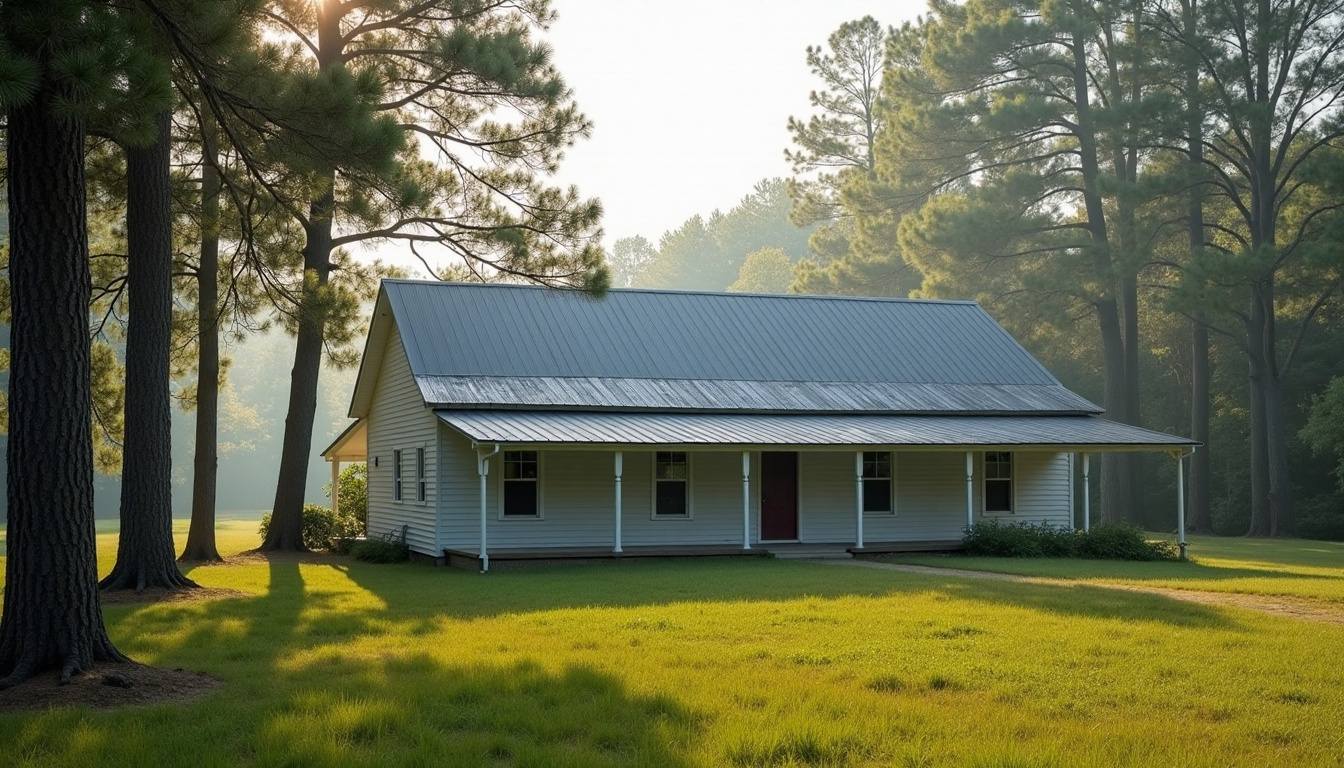
Metal or shingles in South Carolina heat
Long, hot summers are where metal earns its keep. A light or reflective finish bounces back a good share of the sun instead of soaking it into the attic, and the panels cool off quickly after sunset. Shingles absorb more heat and hold it, which is part of why they age faster here than in cooler climates.
Rain is the other factor. With heavy rain spread across the year and humid stretches in between, a roof that sheds water quickly and does not hold moisture has an edge. Metal does both. The trade-offs are a higher upfront cost than shingles, some extra rain noise if there is no solid deck underneath, and more care needed at trim and flashing details. If shingles still make more sense for your house, a shingle re-roof is worth comparing side by side.
Standing seam vs. screw-down
Standing seam panels lock together at raised seams, and the fasteners sit underneath, hidden from the weather. The panels can expand and contract with the heat without working the screws loose. It is the cleaner look on a house and needs very little upkeep, which is why it is the usual choice for homes.
Screw-down panels are fastened straight through the face with screws and rubber washers. They go up faster and cost less, which makes them a common choice for barns, sheds, shops and some farmhouses. The catch is maintenance: over the years, heat cycles loosen the screws and sun breaks down the washers, so the fasteners need checking and some replacing. Neither one is wrong; it depends on the building and how long you plan to own it. On an existing screw-down roof that leaks, the fix is often new oversized screws and washers across the panels plus resealed laps, not new metal.
Holding up to wind
Metal panels are tested for wind uplift, and the rating depends on the panel profile, the gauge, the fastener spacing and what the panel is attached to. A panel that is rated well on paper can still fail if the clips or screws are spaced too far apart, so we follow the manufacturer spacing for the panel and pay extra attention at the eaves, rakes and ridge, where wind gets its grip.
That matters here. Summer thunderstorms bring straight-line winds, and hurricane remnants like Matthew in 2016 and Florence in 2018 pushed strong gusts well inland into Florence County. The trim and the edges are where we see metal roofs lose pieces, not the middle of the panel. If you are curious about a particular panel, ask and we will show you the rating sheet for it. Plenty of our barn and shop jobs end up in the farm country around Timmonsville, and our page on roofs around Timmonsville has more on that side of the county.
Colors and coatings
Most residential metal panels come with a factory paint finish, and the finish system affects how long the color holds before it chalks and fades. Higher-grade finishes hold their color longer under strong sun, which is worth asking about on a house you plan to keep. Lighter colors and reflective finishes keep the attic cooler. Darker colors look sharp on a farmhouse but run hotter.
Galvalume, the bare silver-gray finish, is common on barns and sheds and holds up well, though it is not a good match for every house. We bring color samples so you can see them outside next to your siding or brick. On some low-slope steel roofs, especially older shop buildings, a coating can extend the life of panels that are sound but tired, and we cover that on our page about shops and low-slope buildings.
What it costs over the long run
Metal costs more than shingles on day one, and how much more depends on standing seam versus screw-down, the panel gauge, the finish, the shape of the roof and whether the old roof is coming off first. Hips, valleys, dormers and chimneys add trim and labor, so a simple gable barn roof and a cut-up house roof are very different jobs. That is why a metal quote only comes after the roof has been measured and looked over.
The other half of the math is lifespan. A well-installed metal roof commonly outlasts more than one shingle roof, and standing seam needs very little upkeep beyond keeping debris off it and checking the trim after big storms. For a house you plan to stay in, or a shop or barn you never want to think about again, that often tips the balance. For a house you might sell in a few years, a good shingle roof can be the smarter spend, and we will tell you so.
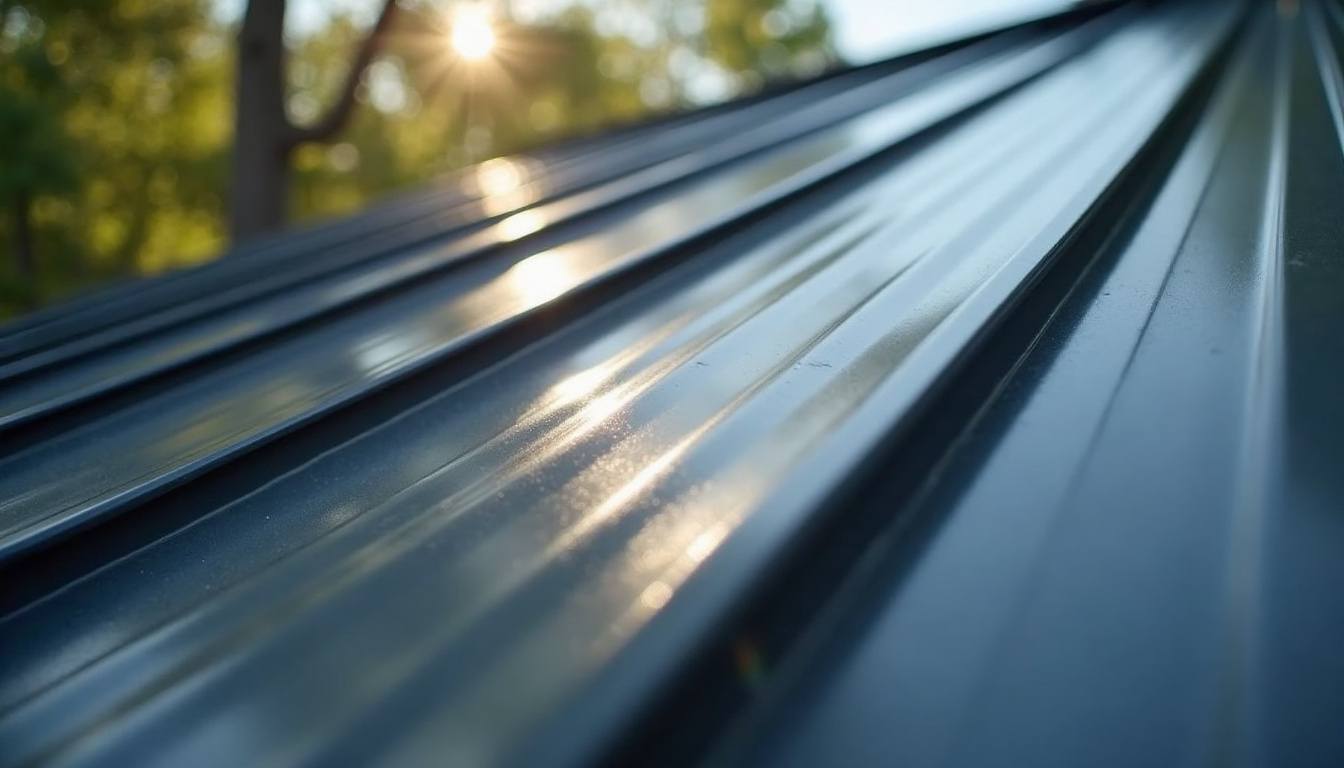
Ask about a metal roof
Use the quote form with your name and phone number. In the message box, tell us what kind of building it is, whether you are leaning toward standing seam or screw-down, and what is on the roof now. We will call back and set up a time to measure and talk through options. The visit and the written quote are free, and you are under no obligation to book.