
Roofing for Historic and Newer Homes in Marion
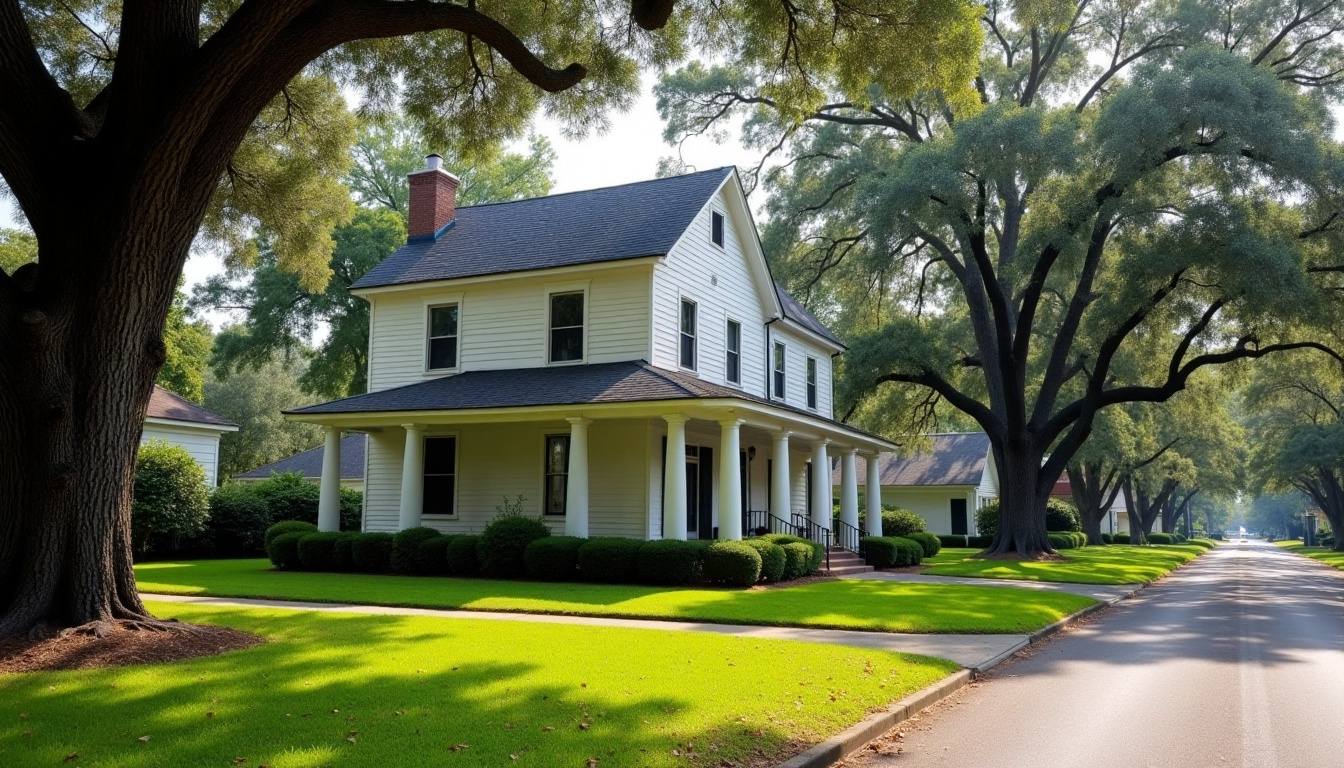
Marion is the county seat of Marion County, east of Florence across the Great Pee Dee on US 76. The heart of it is the historic downtown and the courthouse, and the streets around them are lined with big trees and older homes: two-story houses with tall roofs and wide porches, cottages with steep gables, and brick houses that have been in the same families for generations. Out toward the highways the houses get newer, with ranches, manufactured homes and subdivisions built over the last few decades.
Those two kinds of house need different things from a roofer. An old home near downtown has a roof with a long history, sometimes several roofs stacked on top of each other. A newer home usually has one layer and simpler lines, but it gets the same wind, rain and falling limbs. We work on both, and we do not treat them the same way.
What We Find on Marion Roofs
On the older houses, the trouble spots are usually where the roof gets complicated. Chimneys are the big one: the flashing around them has often been patched with tar more than once, and when that tar cracks, water runs down the brick and into the wall. Valleys between gables collect leaves from the oaks and pines overhead and hold water. Porch roofs are often lower in pitch than the main roof and wear out sooner. Under the shingles, many of these homes have board sheathing, and once in a while we find an old metal roof still underneath, which changes how a new roof goes on.
On the newer homes, it is more about wear and weather: shingles losing granules in the sun, pipe boots cracking, ridge caps lifted by a summer thunderstorm, and attics that run hot because the vents are blocked or there are not enough of them. Hot attics cook shingles from below and shorten the life of the whole roof.
In both cases, hurricane remnants have left their mark. Matthew and Florence brought downed trees and days of rain to this part of the Pee Dee, and some roof damage from those storms is still showing up as slow leaks years later.
What Happens When We Come Out
We start by listening. You tell us where the water shows up, when it started and whether it only happens with wind-driven rain. Then we walk the outside of the house and look at the roof from every side before anyone climbs a ladder. Inside, we check ceilings and the attic, where we can see the underside of the decking and any daylight coming through.
On the roof, we go over the shingles, flashing, valleys, vents and boots, and take photos the whole way. For an older home, we will also tell you what we can and cannot know until the old roof is off, so there are no surprises halfway through.
Repair It or Replace It
If the roof is sound and the leak comes from one chimney or one valley, we fix that and leave the rest alone. Rebuilding chimney flashing the right way, with step and counter flashing instead of more tar, fixes a lot of old-house leaks for good.
When the roof has two or three layers, the shingles are brittle all over, or the decking is soft in several spots, it is time for a complete new roof down to the boards. On an older house, that is also the chance to fix ventilation, replace rotted sheathing and get the porch roof right. Downtown, some of the commercial buildings have low-slope roofs with their own set of problems, and we handle the flat roofs on storefronts and shops as well.
Marion is a straight shot from our base in Florence, out US 76 past Quinby, so getting here is easy.
Get Started
Fill in your name, a phone number and a short description of the problem, like a leak by the chimney or a porch roof that is starting to sag. The address is optional. We will call to set up a time and come take a look.